Home › Services › Rodent Trapping Services
Rodent Trapping Services in Raleigh, NC
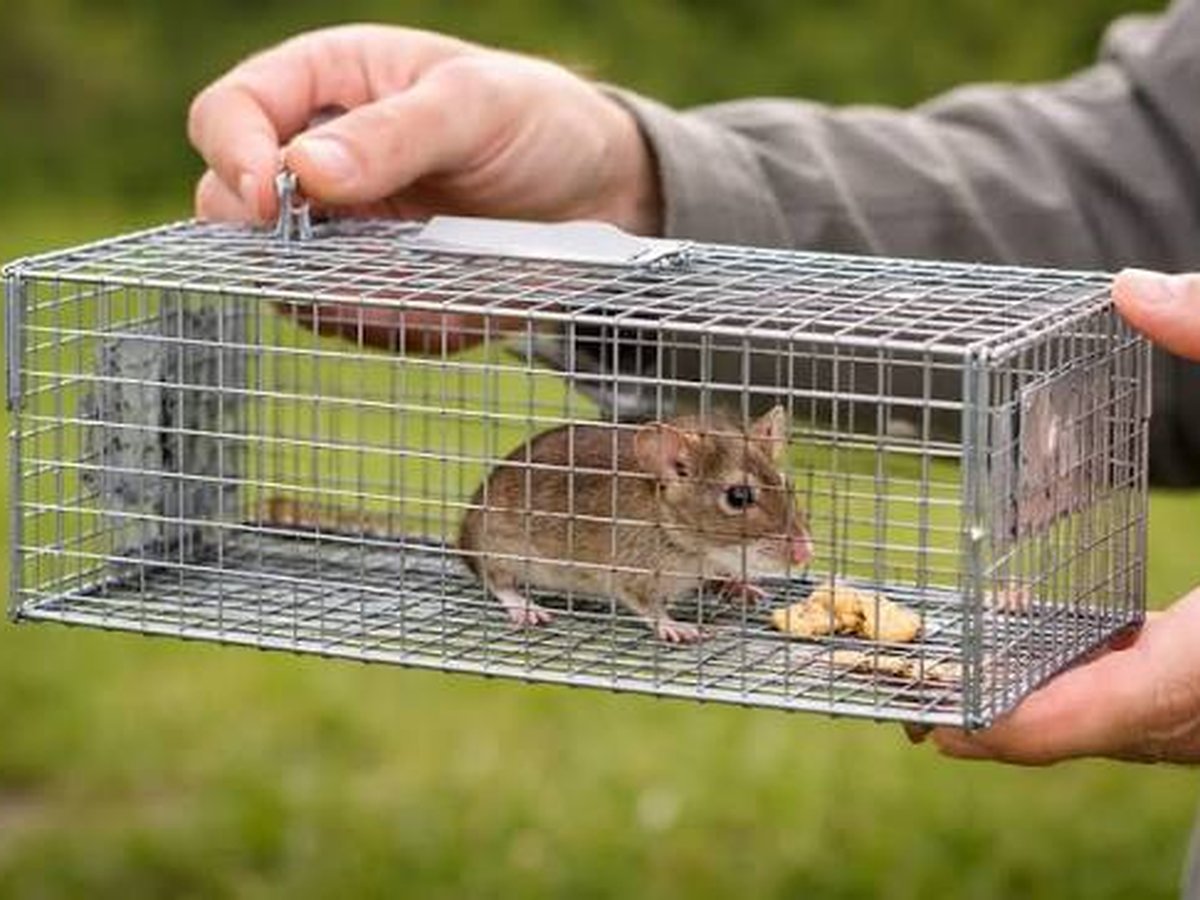
Trapping sounds simple until you're the one doing it — placement, trap type, and follow-through matter far more than the number of traps set. We run rodent trapping programs across Wake County using a mix of mechanical snap traps, electronic traps for sensitive indoor areas like pantries and nurseries, and enclosed tamper-resistant bait stations where a home has pets or small children and outdoor placement is needed.
The difference between a trapping job that works and one that doesn't is almost always placement and monitoring. Rats and mice are neophobic — cautious around new objects in their environment — so a trap dropped in the middle of a garage floor will often sit untouched for weeks while the same trap tucked against the wall where rodents actually travel gets sprung the first night. We map activity first, from droppings, rub marks, and gnaw damage, then place traps on those specific paths.
We check and reset traps on a schedule rather than a single visit and log activity at every check, so you can see the population trending down rather than taking our word for it. Once activity stops for a confirmed period, we recommend exclusion work if it hasn't already been done, since trapping alone doesn't stop the next rodent from finding the same way in. Call (689) 358-3644 to schedule a trapping assessment.
📞 Call (689) 358-3644
Request This Service
* Indicates required field
Choosing the Right Trap Type
Not every situation calls for the same tool. Mechanical snap traps are fast and effective in attics, crawl spaces, and garages. Electronic traps are a cleaner option for indoor placements like a kitchen or pantry where a family would rather not deal with a mechanical trap. Enclosed, tamper-resistant bait stations come into play for outdoor perimeter control on properties with pets, kids, or nearby wildlife, keeping bait fully contained.
Placement Science, Not Guesswork
Rats and mice are naturally wary of new objects in their environment, so a trap's location matters more than how many are set. We identify actual travel corridors from droppings, rub marks, and gnaw evidence, then place traps directly on those paths — against walls, along joists, behind appliances — rather than scattering them across open space rodents tend to avoid entirely.
Scheduled Checks & Resets
A trapping program isn't a one-time visit. We return on a set schedule to check, reset, and reposition traps based on what activity is telling us, since a mature colony rarely clears out in a single session. Each visit, placements get adjusted toward wherever activity has shifted rather than left in the same spot regardless of results.
Tracking Activity Over Time
We log catches and sign of activity at every visit so progress is visible and documented, not anecdotal. That record also tells us when it's time to move from active trapping into a monitoring phase, and it's useful documentation to have on file if activity ever picks back up down the road.
Pet- and Child-Safe Placement
Homes with pets or small children get enclosed, tamper-resistant stations for any outdoor or accessible interior placement, and we walk through exactly where every trap is going before we leave. Indoor mechanical traps go in areas kids and pets can't reach — behind appliances, in attic and crawl space access points, and inside cabinet voids.
Trapping for Commercial Properties
Restaurants, warehouses, and multi-family properties across Wake County need discreet, code-compliant trapping and monitoring stations, often with a service log for health inspections or property management records. We set up a recurring monitoring schedule sized to the property rather than a one-time visit.
When Trapping Alone Isn't Enough
Trapping controls the population that's already inside, but it doesn't stop new rodents from finding the same unsealed gap. If an inspection turns up an open entry point, we'll flag it and recommend exclusion work alongside the trapping program — pairing the two is the difference between a solved problem and a recurring one.
How Long Trapping Takes
A light, fresh problem can clear in one to two weeks of scheduled trapping. An established colony with an active breeding population, especially mice, can take several weeks of consistent checks and resets before activity drops to zero. We give you a realistic timeline after the first inspection rather than a generic promise.
What a Trapping Program Costs
Pricing is based on the number of scheduled visits and the number of trap or station placements needed to cover the affected area, not a flat one-size fee. A single-room problem with light activity needs far fewer visits than a whole-house infestation across an attic, crawl space, and living area. We quote a visit schedule up front so you know what to expect before committing.
Licensed & Insured Technicians
Every technician placing traps or stations on your property is trained on North Carolina pest control regulations, insured, and briefed on pet and child safety protocols before the first visit. For commercial accounts, we can provide certificates of insurance and licensing documentation directly to a property manager or corporate office on request.
Trapping for Specific Species
Rats, mice, and squirrels each call for a different trap type, size, and placement strategy — a trap sized and baited for a mouse won't reliably catch a rat, and a rat trap set for a mouse-sized target can miss entirely. We confirm the species during inspection before setting anything, since guessing wrong wastes time and lets the actual population keep growing while traps sit ineffective.
DIY Trapping vs. Professional Trapping
Store-bought traps aren't inherently different from what we use — a snap trap is a snap trap — but placement, trap selection for the specific species and location, and the discipline of checking and repositioning on a real schedule are where a professional trapping program tends to outperform a DIY effort. Most homeowners who trap on their own get a few early catches, since a fresh population hasn't yet learned to avoid new objects, and then plateau once the more cautious survivors remain — which is exactly the point where a properly planned, monitored program keeps working while a DIY effort typically stalls out.
Signs a Trapping Program Is Working
Progress isn't always as obvious as an empty trap on the first visit — sometimes it shows up as fewer fresh droppings between checks, less new gnaw damage, or catches shifting from multiple traps to just one or two as the population thins out. We track these details at every visit rather than judging success purely on whether a trap was sprung, because a mature colony often declines gradually over several visits rather than clearing all at once. If activity plateaus instead of declining, that's usually a sign there's still an open entry point feeding new rodents in, and we'll flag it for an exclusion follow-up rather than just continuing to trap indefinitely.
Areas We Serve
Proudly providing rodent control across the region:
- Raleigh, NC
- Cary, NC
- Apex, NC
- Wake Forest, NC
- Garner, NC
- Holly Springs, NC
- Morrisville, NC
- Fuquay-Varina, NC
- Knightdale, NC
- Wendell, NC
- Rolesville, NC
- Zebulon, NC
Get Rodent Trapping Services in Raleigh Today
Fast response, upfront pricing, and friendly local pros. Call now for a free quote.
📞 Call (689) 358-3644