
πŸ“ž Call for a Free Quote: (689) 358-3644

Rat Removal & Control in Raleigh, NC

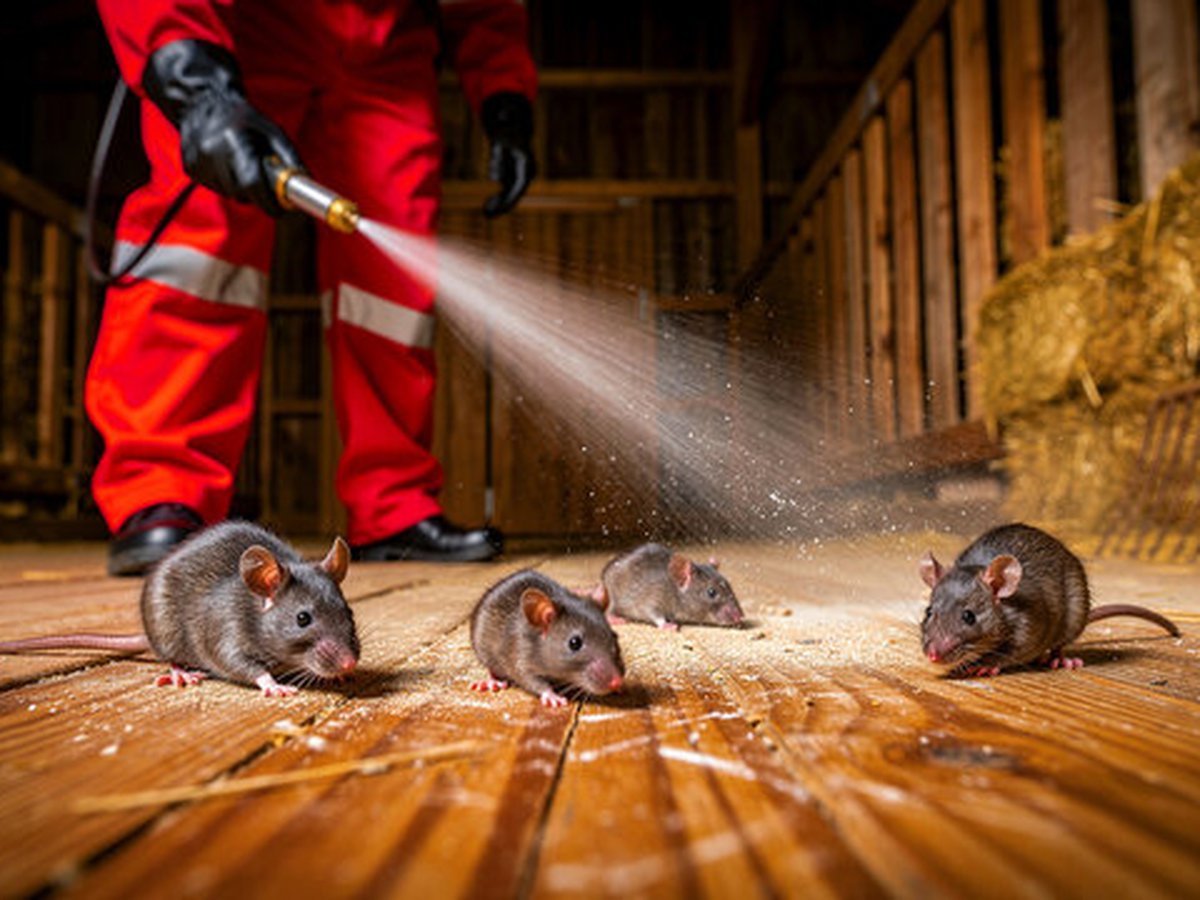
Technician treating an active rat infestation in Raleigh, NC

Raleigh sees two different rats, and they behave nothing alike. Norway rats are the heavier, ground-dwelling burrowers you'll find denned under porches, sheds, and crawl space foundations, especially near creeks, greenways, and older neighborhoods with mature landscaping. Roof rats are the leaner climbers that use the tree canopy and power lines to get onto a roofline and into an attic through gaps around fascia boards, gable vents, or a roof-to-wall seam that's opened up over time. Both show up year-round in the Piedmont's mild climate, but pressure spikes hardest from October through February, when falling temperatures push rodents out of the yard and into the warmth of a wall void or attic.

Our rat removal process starts with an inspection, not a bait drop. We walk the exterior looking for burrows, rub marks, droppings, and gnaw damage, then check the attic and crawl space for the same signs indoors. That tells us whether we're dealing with Norway rats working the perimeter, roof rats using the canopy, or both β€” which changes where we place traps and where we focus exclusion work. We trap live, active infestations first, because sealing a home with rats still inside just traps them in your walls.

Once activity is controlled, we seal every entry point we found with rat-proof materials β€” heavy-gauge hardware cloth, galvanized flashing, and mortar patching, never spray foam or steel wool alone, both of which a rat can chew through in an evening. You get a written report of what we found, what we sealed, and a warranty on that exclusion work. Call for a free inspection at (689) 358-3644 β€” most Wake County jobs are scheduled within a day or two, sooner for active infestations.

πŸ“ž Call (689) 358-3644

Request This Service

* Indicates required field

Norway Rats vs. Roof Rats in the Piedmont

Norway rats are the burrowers β€” thick-bodied, blunt-nosed, and most often found denning at ground level under decks, sheds, woodpiles, and along foundation lines where landscaping gives them cover. They're common in Raleigh's older, established neighborhoods where mature shrubs and ivy meet aging foundations. Roof rats are smaller, leaner, and built to climb; they use overhanging tree limbs, power lines, and trellises to reach a roofline and work their way into an attic through a gap most homeowners never notice from the ground. Knowing which one you have changes the whole plan β€” burrow bait stations and ground-level trapping for Norway rats, roofline inspection and attic trapping for roof rats.

Signs of a Rat Infestation

Rats are cautious and mostly nocturnal, so most Raleigh homeowners hear them before they see them β€” scratching or rolling sounds in the attic or wall cavities after dark, especially along the roofline where roof rats travel. Look for dark, capsule-shaped droppings near the pantry, garage, or crawl space access, greasy rub marks along baseboards and joists where their fur repeatedly brushes the same path, and gnaw marks on wood, wiring, or PVC pipe. Outside, watch for burrow holes roughly two to four inches across near foundations, woodpiles, or dense ground cover, often with a smooth, well-used entrance.

Our Rat Removal Process

We start with a full interior and exterior inspection to confirm the species, map activity, and find every likely entry point before setting a single trap. Snap traps and, where appropriate, enclosed tamper-resistant bait stations go where activity is actually happening β€” attic joists, crawl space runs, garage corners β€” not scattered randomly. We check and reset traps on a schedule until activity stops, then move into exclusion. Only after the population is under control do we seal entry points, so rats already inside aren't trapped in your walls.

Exterior Burrow Treatment

Ground-level burrows get their own protocol. We identify active burrows by fresh digging and smoothed entrances, treat them appropriately, and address whatever's drawing rats to that spot in the first place β€” pet food left outside, a leaking hose bib, dense ivy against a foundation, or a woodpile stacked against the house. In many older Raleigh neighborhoods, mature landscaping planted decades ago now sits flush against the foundation, giving Norway rats cover to burrow undetected for months before anyone notices.

Interior Trapping & Monitoring

Inside the home, we place traps in the specific travel corridors rats actually use β€” along wall-to-floor junctions, behind appliances, and across attic joists rather than open floor space rats tend to avoid. We monitor and reset on a schedule rather than a single visit, since a mature colony rarely clears in one trapping session. Each visit we log activity so you can see the population trending down, not just take our word for it.

Sealing Rats Out for Good

A rat can flatten its body through a gap about the size of a quarter, so exclusion work has to be thorough, not spot-checked. We seal roofline gaps, gable and foundation vents, utility and plumbing penetrations, and dryer vent openings with heavy hardware cloth, galvanized flashing, and mortar β€” materials a rat can't gnaw through, unlike expanding foam or steel wool, which buy a few weeks at best. Every exclusion point is documented and covered by our workmanship warranty.

Why DIY Rat Control Usually Fails

Store-bought snap traps and bait boxes can knock down a small, fresh problem, but they almost never solve an established one, because they don't address the entry point. We regularly find homes where a family has spent a season buying traps and bait, still hearing activity, because the actual gap β€” a rotted fascia board, a gap around a dryer vent, an unscreened foundation vent β€” was never found or sealed. Rats also learn to avoid traps that don't kill cleanly, making a DIY effort progressively less effective over time.

Rat Control for Older Raleigh Homes

Homes built before the 1970s in neighborhoods like Five Points, Mordecai, and Boylan Heights often sit on pier-and-beam foundations with open, dirt-floor crawl spaces β€” prime Norway rat real estate, especially where an old coal chute, an abandoned plumbing penetration, or a settled foundation vent has never been properly closed. We carry the low-profile tools needed to work a tight, decades-old crawl space and the product knowledge to seal historic masonry and wood-frame foundations without damaging original materials.

What to Expect on Your First Visit

A technician walks the full exterior and, where accessible, the attic and crawl space, pointing out every sign of rat activity as it's found rather than presenting a summary at the end. You'll get a straightforward, written quote covering trapping and any exclusion work before anything starts β€” no pressure to sign up for more than the inspection actually supports. Most Wake County appointments run about 45 minutes to an hour for a typical single-family home, longer for a larger property or a heavier infestation.

What Rat Control Costs and Why It Varies

Pricing depends mainly on how many entry points need sealing and how established the population is β€” a single gap around a dryer vent with light activity costs far less to resolve than a colony that's been denning under a porch for a season, with multiple burrows and roofline access both needing attention. We always separate the trapping portion from the exclusion portion in a quote, so you can see exactly what you're paying for and why, rather than one bundled number.

Our Guarantee on Rat Exclusion

Every entry point we seal is covered by a workmanship warranty β€” if rats find a way back in through a point we sealed, we return and fix it at no additional charge. We also offer a follow-up check after the initial trapping phase to confirm activity has genuinely stopped rather than closing the file the moment traps go a few days without a catch.

Areas We Serve

Proudly providing rodent control across the region:

Get Rat Removal & Control in Raleigh Today

Fast response, upfront pricing, and friendly local pros. Call now for a free quote.

πŸ“ž Call (689) 358-3644