πŸ“ž Call for a Free Quote: (689) 358-3644

Dead Rodent Removal & Odor Control in Raleigh, NC

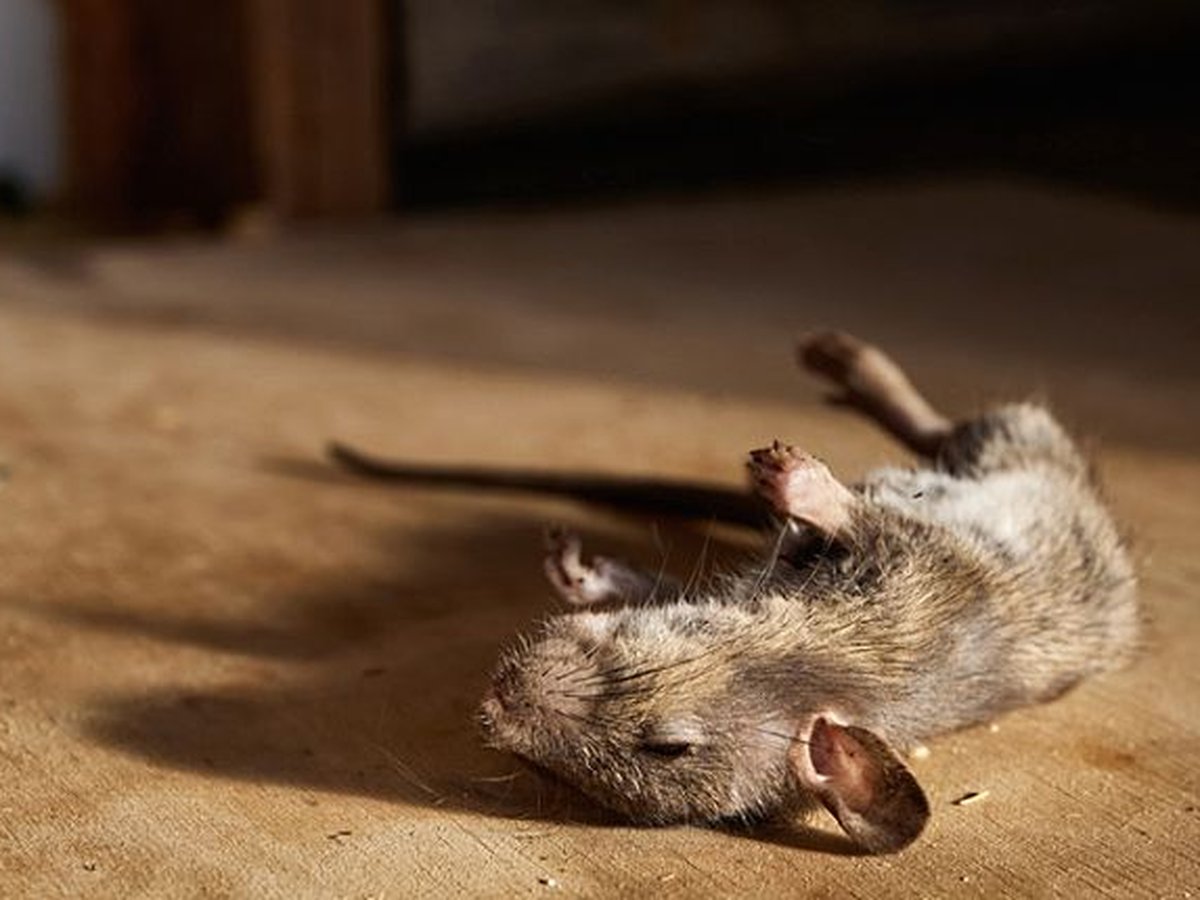
Dead mouse requiring removal and odor control

A dead rodent inside a wall void, attic, or crawl space produces one of the most unmistakable β€” and hardest to pinpoint β€” smells a home can have. It's stronger and more sour than typical trash or drain odor, tends to get noticeably worse in warm weather as decomposition speeds up, and often seems to come from everywhere at once because it's traveling through wall cavities and HVAC returns rather than sitting in one obvious spot.

We locate carcasses using a combination of experience with how rodents die in a structure β€” usually near their nest or the route back to it β€” moisture and stain detection, and, where needed, more targeted inspection of wall voids, subfloor areas, and crawl spaces. Older Raleigh homes with open, unencapsulated crawl spaces are actually easier to search than a home with a carcass trapped inside a finished wall, which sometimes requires a small access point to reach.

Once located, we remove the carcass and any contaminated material around it, then treat the area with an appropriate enzyme or antimicrobial product that breaks down the odor source rather than masking it with fragrance. For a crawl space carcass, we also check for related contamination on the vapor barrier or insulation. Most odor complaints resolve within a day or two of the source being removed and properly treated. Call (689) 358-3644 if you're dealing with an unexplained odor and suspect a dead rodent.

πŸ“ž Call (689) 358-3644

Request This Service

* Indicates required field

Recognizing a Dead Rodent Smell

The odor from a decomposing rodent is distinct β€” sharper and more sour than typical household smells, and it tends to intensify in warm rooms or during Raleigh's humid summer stretches when decomposition accelerates. Unlike a localized trash or drain smell, it often seems to travel, since it's moving through wall cavities, subfloor space, or return air ducts rather than sitting in one contained spot.

How We Locate the Carcass

We use a combination of knowledge about typical rodent behavior β€” they usually die near a nest or a frequently used travel route rather than in the open β€” along with checking for staining, moisture, and insect activity that often accompanies decomposition. Crawl spaces and attics are searched directly; wall voids sometimes require a small, targeted access point if the smell can't be traced any other way.

Crawl Space Carcass Removal

Older Raleigh homes with open, unencapsulated crawl spaces are often where we find dead rodents fastest, since there's direct access to search rather than working through finished walls. We check the vapor barrier and any exposed insulation for contamination while we're already in the space, since a leaking or decomposing carcass can stain or soil the barrier.

Wall Void & Hard-to-Reach Cases

When a carcass is inside a finished wall or an inaccessible ceiling cavity, we narrow the location as precisely as possible before considering any access point, aiming to minimize the opening needed and patch it cleanly afterward. We always discuss this step with the homeowner before proceeding.

Odor Treatment That Actually Works

Masking a dead rodent smell with fragrance sprays doesn't resolve it β€” the odor comes back as soon as the fragrance fades because the source is still there. We treat the area directly with an enzyme or antimicrobial product designed to break down organic odor sources, applied after the carcass and any saturated material is removed.

Why This Follows Trapping Jobs

Dead rodent calls often come a few days after a trapping or bait program, when an animal dies somewhere inaccessible rather than in a trap that gets checked. If you've recently had rodent control done β€” by us or another company β€” and notice a new odor a few days later, it's almost always related and worth a quick call rather than waiting it out.

Preventing Repeat Odor Problems

Once a carcass is removed and the area treated, we check for and seal any nearby entry points if they haven't already been addressed, since an unresolved rodent problem means the risk of another dead animal in the same spot down the road.

How Fast Odor Resolves

Most odor complaints noticeably improve within a day of the carcass being removed and the area treated, with full resolution typically within a few days as any remaining residual scent dissipates. A lingering smell after treatment usually means there's a second carcass or contaminated material nearby that needs a follow-up check.

What Dead Rodent Removal Costs

Pricing depends mainly on how accessible the carcass is β€” a crawl space or attic location we can reach directly costs less than one inside a finished wall requiring a small access point and patching afterward. Odor treatment for the surrounding area is quoted alongside removal, and we give you a clear price before doing any wall or ceiling access work.

When to Call a Professional vs. Wait It Out

A dead rodent smell in an accessible crawl space sometimes resolves on its own within a couple of weeks as decomposition finishes, but odor trapped in a wall void or attic insulation can linger for a month or more and often gets worse before it improves in warm weather. If the smell is strong, spreading through vents, or affecting more than one room, it's worth having it located and removed rather than waiting.

Distinguishing Dead Rodent Odor From Other Smells

Homeowners sometimes assume a strong, unexplained odor is a sewer gas leak, mold, or a forgotten piece of spoiled food, all of which smell noticeably different once you know what to compare against. Sewer gas tends to smell sulfurous, like rotten eggs; mold and mildew read as musty and damp rather than sharply sour; a dead rodent has a distinctly pungent, almost sweet-and-sour quality that gets more intense the closer you get to the source. If the smell is worse near an attic hatch, a specific wall, or a crawl space vent rather than uniform through the house, that's a strong indicator it's rodent-related rather than a plumbing or mold issue.

Health Risks of a Decomposing Rodent

Beyond the smell itself, a decomposing rodent can attract flies, beetles, and other secondary pests drawn to the carcass, and the surrounding area can harbor bacteria as decomposition progresses. In a crawl space, fluids from a decomposing carcass can also stain or contaminate insulation and vapor barrier material nearby, which sometimes turns a single dead-rodent call into a small cleanup job once the source is found. We check the immediate surrounding area for this kind of secondary contamination any time we remove a carcass, not just the carcass itself, and flag anything that needs additional cleanup or sanitizing before we consider the job complete.

Areas We Serve

Proudly providing rodent control across the region:

Get Dead Rodent Removal & Odor Control in Raleigh Today

Fast response, upfront pricing, and friendly local pros. Call now for a free quote.

πŸ“ž Call (689) 358-3644