Home › Services › Rodent Inspection & Damage Assessment
Rodent Inspection & Damage Assessment in Raleigh, NC
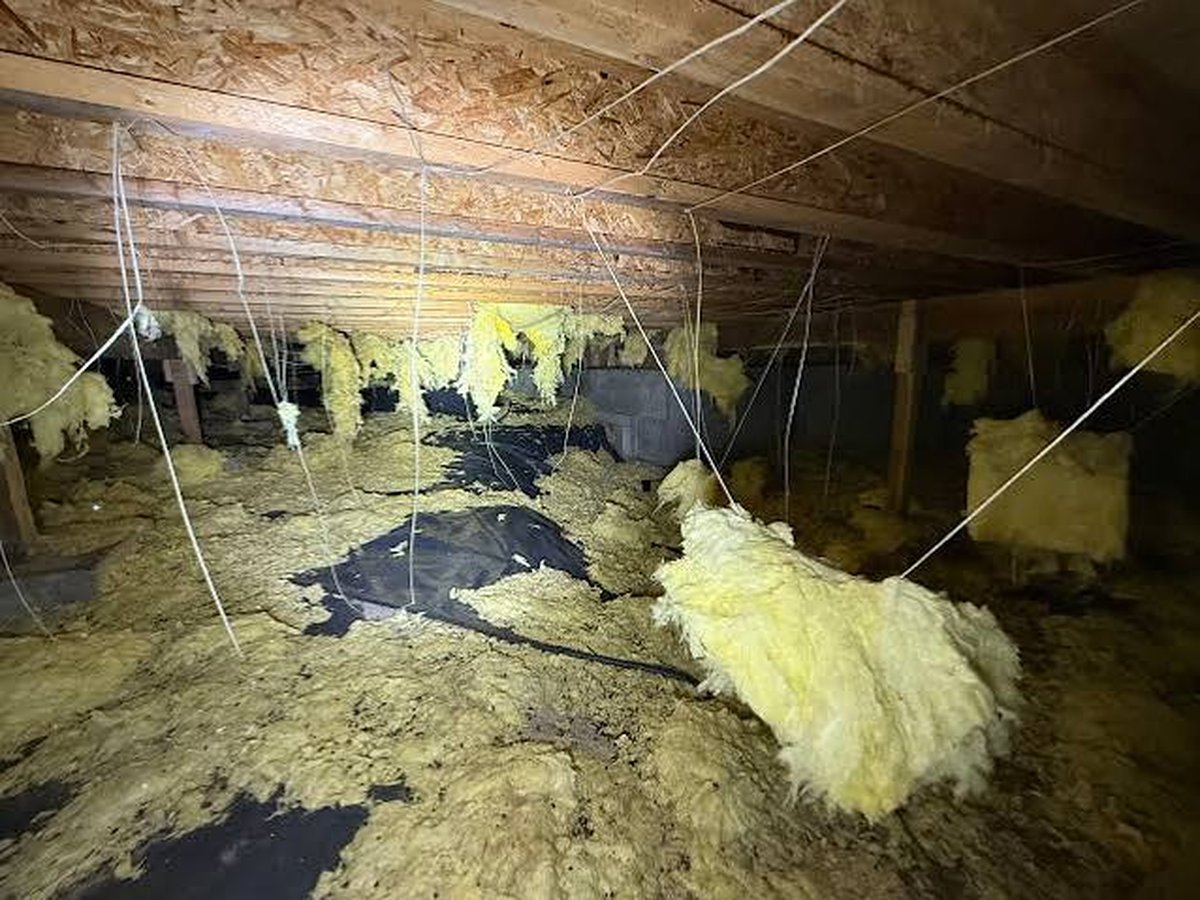
Before we recommend any treatment plan, we inspect. A rodent inspection and damage assessment is a standalone service for homeowners who suspect activity but aren't sure, buyers and sellers who need documentation for a real estate transaction, and anyone who just wants an honest read on a home's condition without committing to a service plan first.
Our inspection covers the full structure: attic space for droppings, gnaw marks, compacted or contaminated insulation, and roofline gaps; crawl space for burrow activity, vapor barrier damage, and foundation vent condition; and the exterior building envelope for the entry points that let rodents in to begin with. We also check exposed wiring and ductwork for gnaw damage, since that's both a fire risk and often the most expensive repair a rodent problem leaves behind.
You get a written report covering exactly what we found, photos of anything significant, and a clear, itemized recommendation for next steps — which might be nothing at all if the home checks out clean. This service is popular ahead of a home purchase, after hearing a single noise and wanting to know for certain before assuming the worst, and for landlords doing due diligence between tenants. Call (689) 358-3644 to schedule an inspection.
📞 Call (689) 358-3644
Request This Service
* Indicates required field
What a Full Inspection Covers
We check the attic, crawl space, and exterior building envelope in a single visit — droppings, gnaw marks, rub marks, nesting material, insulation condition, vapor barrier damage, and every likely entry point around the roofline, foundation, and utility penetrations. Nothing is treated during an inspection-only visit; the goal is an honest read on current condition.
Checking for Structural & Electrical Damage
Rodents gnaw constantly, and wiring and ductwork are common targets in an attic or crawl space. We visually inspect exposed wiring runs and flexible ductwork for gnaw damage during every inspection, since this is often the most expensive and most safety-relevant damage a rodent problem leaves behind, and flag anything that needs an electrician or HVAC technician's attention.
Pre-Purchase Home Inspections
Buyers in Wake County — especially for older homes with crawl space foundations in established Raleigh neighborhoods — increasingly want a rodent-specific inspection alongside a general home inspection, since general inspectors don't always check the crawl space and attic as thoroughly for rodent-specific signs. We provide a written report that can be shared with the buyer, seller, or agent.
Pre-Listing Inspections for Sellers
Sellers who want to get ahead of a buyer's inspection request a pre-listing assessment and, if anything's found, address it before it becomes a negotiating point. A clean written report on file can also reassure a buyer's inspector or agent during the closing process.
Confirming a Single Noise or Sighting
Hearing one noise in the attic or seeing one mouse doesn't always mean an established infestation — but it's worth knowing for certain rather than guessing. An inspection gives you a clear answer: nothing found, early signs worth monitoring, or an active problem that needs treatment, each with a specific recommendation.
Landlord & Rental Turnover Inspections
Landlords and property managers use rodent inspections between tenants to document condition, catch a developing problem before a new tenant moves in, and have a dated record on file in case a dispute over responsibility for damage ever comes up later.
The Written Report You Receive
Every inspection ends with a written report: what was checked, what was found (or wasn't), photos of anything significant, and a specific, itemized recommendation for next steps sized to what we actually found — never a blanket upsell to a full service package regardless of condition.
What Happens If We Find Activity
If the inspection turns up active signs, we walk through the recommended next steps and a cost estimate before any treatment begins — trapping, exclusion, cleanup, or some combination, sized to what the inspection actually found rather than a standard package.
What an Inspection Costs
A standalone inspection is priced separately from any treatment work and covers the full attic, crawl space, and exterior envelope check regardless of what we find. If you move forward with treatment afterward, the inspection fee is applied toward the cost of that work rather than charged twice.
How Long an Inspection Takes
A typical single-family home inspection takes about 45 minutes to an hour, covering attic access, crawl space or foundation perimeter, and the full exterior envelope. Larger homes, properties with outbuildings, or homes with limited attic or crawl space access can take longer. We schedule enough time to do a genuinely thorough check rather than rushing through a checklist.
Licensed, Independent Assessments
Our inspectors are licensed for structural pest work in North Carolina and have no incentive to recommend treatment that isn't warranted — a clean report costs us nothing extra to deliver, and we'd rather tell you a home checks out fine than manufacture a problem. That independence is part of why real estate agents and buyers request our reports specifically for pre-purchase due diligence.
Inspecting Outbuildings and Detached Structures
A full property inspection isn't limited to the main house when there's more to check — detached garages, sheds, and outbuildings common on larger lots in Wendell, Zebulon, and similar areas often harbor the activity that eventually spreads to the house itself. We include accessible outbuildings in the inspection scope on request, checking the same signs — droppings, gnaw marks, nesting material, and entry gaps — since a homeowner who only worries about the house can end up chasing recurring activity that's actually sourced from a shed twenty feet away.
How Often to Get a Rodent Inspection
Homes with a history of rodent activity, older crawl space foundations, or heavy tree canopy overhead benefit from an annual check even with no current signs of a problem, since small vulnerabilities develop gradually from settling, weather, and general wear. Newer slab homes with no history of activity can typically go longer between proactive checks, though we still recommend one after any major exterior work — a roof replacement, siding repair, or a new deck or fence built against the foundation — since that kind of work can inadvertently create or expose a new gap.
What to Do Before the Inspection
You don't need to do much to prepare, but a few things help the visit go faster: clearing a path to the attic access hatch, moving stored boxes away from a crawl space entry point, and noting any specific rooms, sounds, or timeframes where you've noticed activity so we can pay extra attention there. If the home has a locked outbuilding, shed, or detached garage you'd like included in the inspection, having it accessible saves a return trip. None of this is required — we can work around a full house and property either way — but it means a more thorough single visit.
Areas We Serve
Proudly providing rodent control across the region:
- Raleigh, NC
- Cary, NC
- Apex, NC
- Wake Forest, NC
- Garner, NC
- Holly Springs, NC
- Morrisville, NC
- Fuquay-Varina, NC
- Knightdale, NC
- Wendell, NC
- Rolesville, NC
- Zebulon, NC
Get Rodent Inspection & Damage Assessment in Raleigh Today
Fast response, upfront pricing, and friendly local pros. Call now for a free quote.
📞 Call (689) 358-3644