
πŸ“ž Call for a Free Quote: (689) 358-3644

Crawl Space Rodent Control in Raleigh, NC

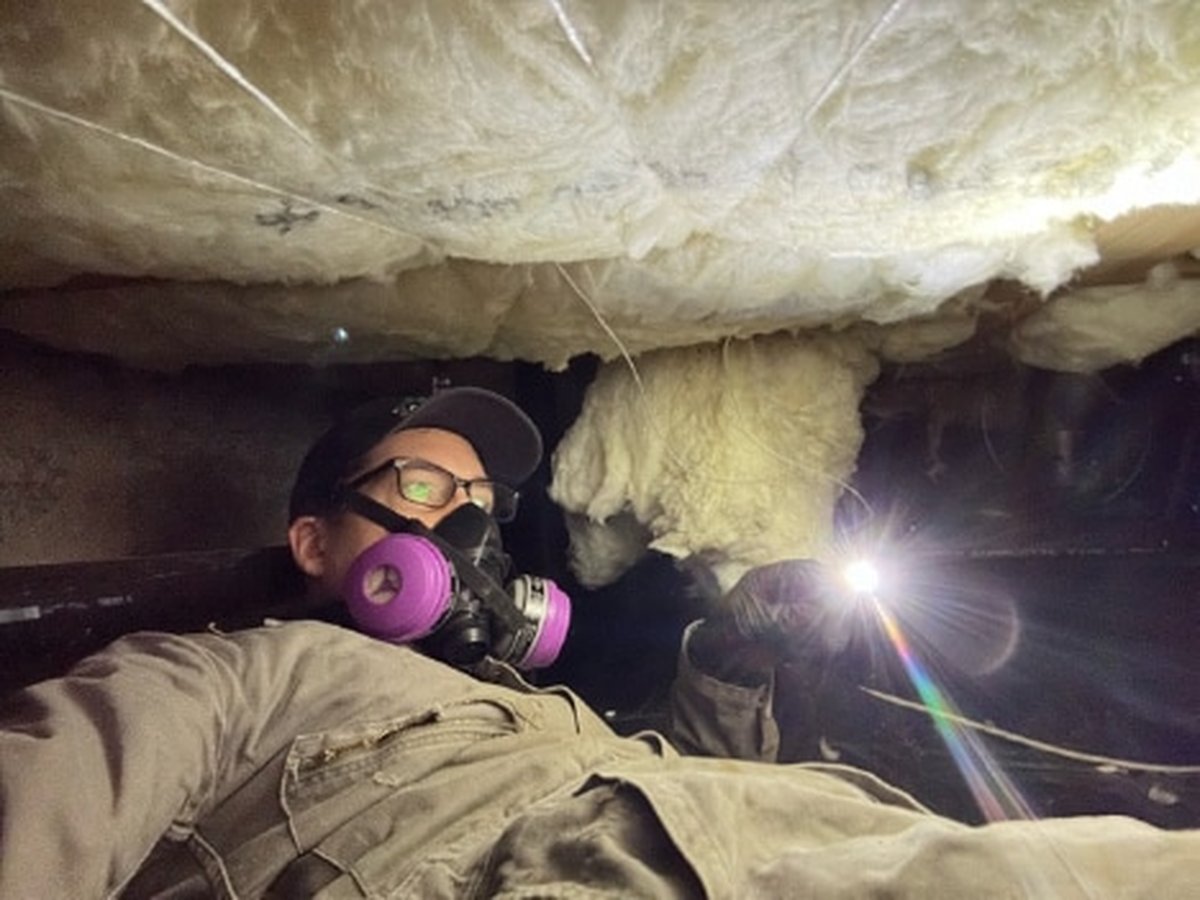
Technician inspecting a crawl space for rodent activity

A huge share of Raleigh's older housing stock β€” bungalows and ranches from the 1940s through the 1970s especially β€” sits on pier-and-beam foundations with a crawl space underneath, and that crawl space is one of the most common rodent entry points we work in Wake County. Foundation vents, sill plate gaps, and an aging or missing crawl space access door all give rats and mice a direct, sheltered route under the house, and once they're under there, it's a short trip up through a plumbing penetration into the living space above.

Newer Wake County construction has largely moved to slab foundations, which removes this specific entry route, but many homes in established Raleigh neighborhoods, along with older homes in Garner, Wendell, and Zebulon, still have traditional crawl spaces, some encapsulated and some still open dirt. Open crawl spaces with damaged or missing vapor barriers are especially attractive to Norway rats, which favor exactly the cool, dark, sheltered conditions a dirt crawl space provides.

Our crawl space service traps active rodents, seals foundation vents and sill plate gaps with rodent-proof mesh and materials, repairs or replaces damaged vapor barrier sections chewed or torn by rodent activity, and can coordinate with encapsulation work if moisture is also a factor β€” rodents and crawl space moisture problems often show up together, since a damp, dark crawl space is attractive for both reasons. Call (689) 358-3644 for a crawl space inspection.

πŸ“ž Call (689) 358-3644

Request This Service

* Indicates required field

Pier-and-Beam Crawl Spaces in Older Raleigh Homes

Bungalows and ranch homes built from the 1940s through the 1970s across in-town Raleigh neighborhoods commonly sit on pier-and-beam foundations with an open crawl space underneath, often with a dirt floor and minimal or aging vapor barrier. These spaces offer rats and mice exactly the cool, dark, sheltered conditions they favor, and direct access to plumbing penetrations leading up into the living space.

Common Crawl Space Entry Points

Foundation vents without proper screening, gaps along the sill plate where the foundation meets the framing, and damaged or poorly fitted crawl space access doors are the most common entry routes we find. Each requires a different sealing approach, and we address all three during a single visit rather than fixing only the most obvious one.

Trapping Inside the Crawl Space

Crawl spaces require low-profile trap placement and careful navigation of ductwork, plumbing, and support piers. We place traps along the actual travel routes rodents are using under the house, informed by droppings, tracks in dust, and gnaw marks on ductwork or wiring runs.

Vapor Barrier Damage & Repair

Rodents frequently chew through or burrow under vapor barrier material to create nesting areas or travel routes, which undermines the barrier's whole purpose of keeping ground moisture out of the crawl space. We repair or replace damaged sections as part of crawl space rodent control, since a torn barrier left in place invites both rodents and moisture problems to come back.

Sealing Foundation Vents & Sill Plate Gaps

We screen foundation vents with rodent-proof mesh sized to actually stop rats and mice, not just insects, and seal gaps along the sill plate where the wood framing meets the foundation β€” a gap that widens naturally as an older home settles over decades.

Crawl Spaces vs. Slab Foundations

Newer construction across much of Cary, Holly Springs, and Apex uses slab foundations, which eliminates the crawl space entry route entirely β€” a real advantage for rodent control, even though these homes still have other vulnerable points around HVAC lines, garage seals, and rooflines. Homeowners moving from a crawl space home to a slab home often notice this difference directly in reduced rodent pressure.

Coordinating with Encapsulation Projects

Rodent activity and crawl space moisture problems frequently show up together, since a damp, unsealed crawl space is attractive to rodents for the same reasons it's bad for the home. We can sequence rodent control ahead of an encapsulation project, or address rodent-related vapor barrier damage as part of one already underway.

Access & Safety in Tight Crawl Spaces

Many older Raleigh crawl spaces have limited clearance, and our technicians carry compact tools and lighting suited to tight, low spaces rather than equipment sized for open attics. Every technician working a crawl space follows standard safety practices around electrical lines, ductwork, and structural supports.

What Crawl Space Rodent Control Costs

Cost depends on the number of entry points found, whether vapor barrier repair is needed, and the overall size and condition of the crawl space. A crawl space with an intact barrier and one or two sealing points needed costs less than one with extensive barrier damage from a season of active burrowing. We quote trapping, sealing, and any barrier repair as separate line items after the inspection.

Licensed & Insured Crawl Space Work

Crawl space access involves confined-space work around electrical, plumbing, and HVAC components, and every technician follows standard safety protocols around all three. We're licensed for structural pest control in North Carolina and insured for the work performed, and can provide documentation to a homeowner, buyer's agent, or contractor coordinating a related encapsulation project.

Moisture and Rodents Go Together

A damp crawl space is attractive to rodents for the same reasons it's bad for the structure β€” standing water or high humidity softens wood, encourages the kind of dense ground cover and debris rodents like to nest in, and can make an already-torn vapor barrier easier to burrow under. When we find active moisture issues during a crawl space rodent inspection, we flag them clearly, since resolving the rodent problem without addressing standing moisture often means dealing with the same conditions attracting a new population again down the road.

Encapsulated vs. Open Crawl Spaces

An encapsulated crawl space with a sealed, heavy-duty vapor barrier and no open foundation vents is inherently more rodent-resistant than a traditional open crawl space, but encapsulation alone isn't a guarantee β€” a torn barrier seam, a poorly sealed access door, or a gap left where a plumbing or HVAC line penetrates the barrier can still let rodents in and, once inside, gives them a cleaner, more insulated space to nest in than an open dirt crawl space would. We check encapsulated crawl spaces just as thoroughly as open ones, since assuming an encapsulated space is automatically rodent-proof is a common and costly mistake.

How Long Crawl Space Treatment Takes

A crawl space with light activity and one or two entry points needing sealing can usually be handled in a single visit of a couple of hours. A larger crawl space with extensive vapor barrier damage, multiple burrow sites, and several entry points to seal takes longer, and we may recommend a follow-up trapping visit or two after the initial sealing to confirm activity has actually stopped before considering the job complete. Tight, low-clearance crawl spaces common under older Raleigh homes also take somewhat longer to work through carefully than a taller, more open crawl space under newer construction.

Areas We Serve

Proudly providing rodent control across the region:

Get Crawl Space Rodent Control in Raleigh Today

Fast response, upfront pricing, and friendly local pros. Call now for a free quote.

πŸ“ž Call (689) 358-3644